

Walter Betancourt
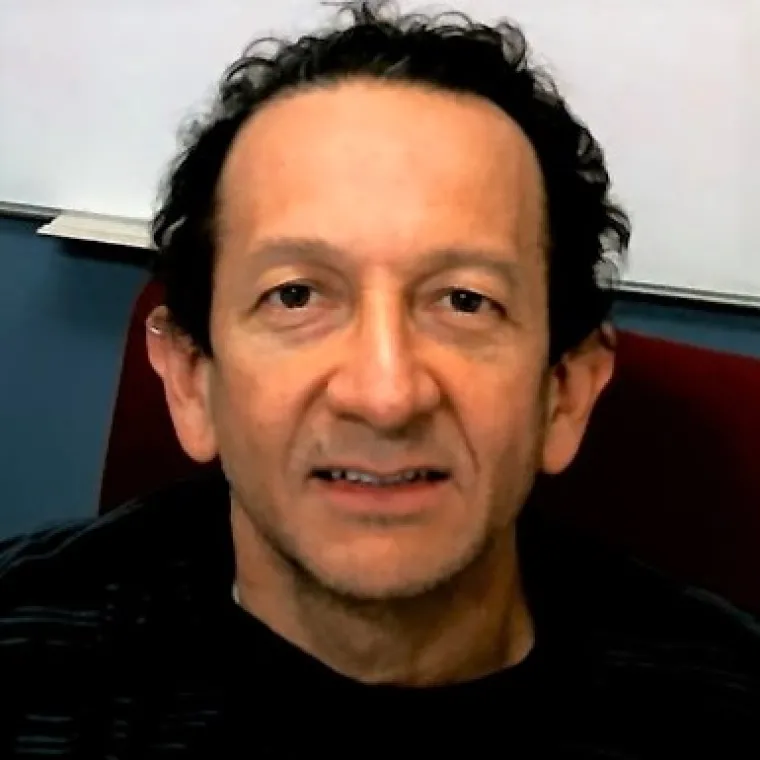
Walter Q. Betancourt, Ph.D., is a Research Professor in the Department of Environmental Science and a member of the Water & Energy Sustainable Technology (WEST) Center at the University of Arizona. His research focuses on environmental virology, water microbiology, and the occurrence, transport, and removal of viral pathogens in natural and engineered water systems. Dr. Betancourt earned his Ph.D. in Marine Science from the University of South Florida, where he developed methods for the recovery and detection of protozoan pathogens in recycled waters, aquifers, and marine environments. He subsequently held research positions at Michigan State University, Texas A&M University, and the University of Hawai’i before joining the University of Arizona.
At the WEST Center, Dr. Betancourt leads interdisciplinary research programs focused on the microbiological safety of potable and non-potable water reuse systems. His work examines the occurrence and fate of enteric viruses, bacteriophages, plant viruses, and emerging viral indicators in advanced treatment processes, including ultrafiltration, reverse osmosis, advanced oxidation, and soil aquifer treatment. His laboratory integrates environmental surveillance, virus concentration methods, quantitative and digital PCR, cell culture, and next-generation sequencing to evaluate treatment performance and support risk-based water reuse regulations.
Current research interests include viral metagenomics, development of novel viral indicators for water reuse applications, microbial source tracking in agricultural waters, quantitative microbial risk assessment, and the detection of emerging viruses in recycled and purified water. Dr. Betancourt has led or co-led projects funded by the U.S. Army Engineer Research and Development Center, U.S. Environmental Protection Agency, Centers for Disease Control and Prevention, Water Research Foundation, USDA, Arizona Department of Agriculture, and the United States–Israel Binational Agricultural Research and Development Fund.
His research supports the development of safe, sustainable, and resilient water reuse systems in arid and water-stressed regions through collaborations with scientists, engineers, public health professionals, water utilities, and regulatory agencies in the United States and internationally.